


How Can Mindful Arts Therapy Connect with Your Inner Child
Have you ever felt a longing to reconnect with your younger self? Many people carry the joys and pains of childhood within them, often referred to as the “inner child.” Mindful arts therapy can be a powerful tool in nurturing this connection. In this article, we’ll explore how mindful arts therapy can facilitate healing and growth by connecting with your inner child.
Understanding Mindful Arts Therapy
Mindful arts therapy is an innovative approach that combines mindfulness practices with artistic expression. It invites individuals to engage in a creative process while maintaining a present-moment awareness. This method allows individuals to explore their emotions and thoughts without judgment, opening the door for healing and self-discovery.
The Principles of Mindful Arts Therapy
At the core of mindful arts therapy are several key principles. First, it emphasizes the importance of presence. Participants are encouraged to immerse themselves in the creative process, letting go of distractions and focusing solely on the moment. Second, it fosters a non-judgmental attitude towards oneself and one’s creations. This principle is crucial for the healing process, as it allows individuals to explore their feelings authentically.
Another essential principle is the integration of sensory experiences. Engaging with colors, textures, and sounds can help individuals reconnect with their feelings and memories. The act of mixing paint, molding clay, or even listening to music can evoke powerful emotions and memories that may have been buried. Finally, stories play a vital role—both personal narratives and the narratives found in art. This storytelling aspect can enrich the therapeutic experience, allowing for deeper reflections on one’s journey. By sharing their stories, participants can find common ground with others, fostering a sense of community and understanding.
The Role of Mindfulness in Art Therapy
Mindfulness is about being fully engaged in the present moment. In the context of art therapy, it helps to quiet the mind and focus on the creative process. Rather than aiming for a specific outcome, mindfulness encourages participants to celebrate the process itself. This shift in perspective can reduce stress, promote relaxation, and foster a spirit of exploration.
When individuals practice mindfulness within their artistic journey, they create a safe space where they can confront past traumas and emotions tied to their inner child. This approach allows for gradual healing as people visualize and externalize their experiences through art. The process of creating can serve as a form of meditation, where the repetitive motions of drawing or painting can lead to a trance-like state, facilitating deeper introspection. Moreover, the act of sharing their artwork with a therapist or group can further enhance the healing process, as it opens up avenues for dialogue and connection, reinforcing the idea that they are not alone in their struggles.
The Concept of the Inner Child
The inner child represents the emotions, experiences, and memories from our youth, both joyful and painful. Engaging with this part of ourselves can lead to significant personal development and emotional healing. Understanding what the inner child entails is a crucial step in this process.
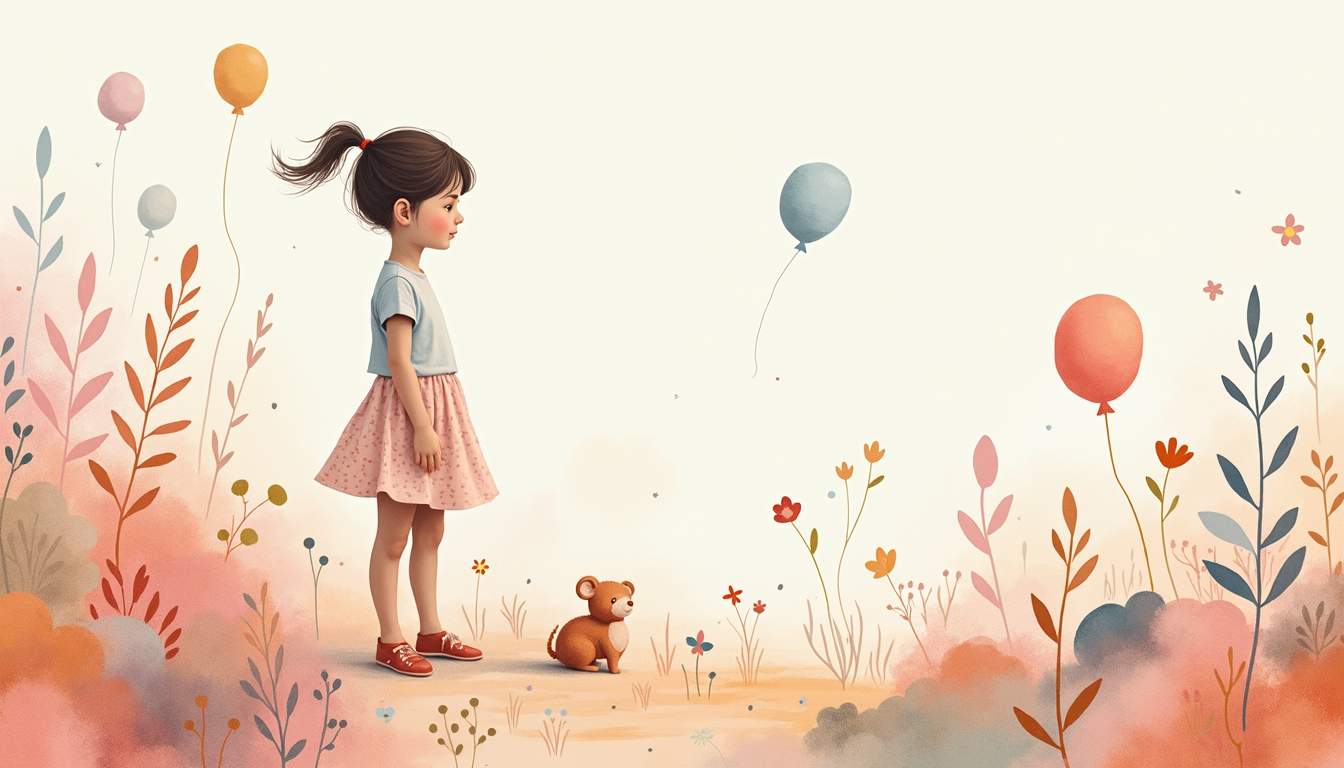
Exploring the Inner Child Theory
Psychologists suggest that the inner child can embody both the happiness of childhood and the unresolved pain from past experiences. When we reflect on our inner child, we gain insights into our beliefs, fears, and coping mechanisms shaped during our formative years. By recognizing these elements, we pave the way for healing and growth.
Many therapeutic approaches include inner child work to help individuals reconnect with their younger selves. Techniques such as guided imagery, journaling, and creative expression can facilitate this reconnection, allowing individuals to explore their childhood memories in a safe and supportive environment. By understanding this theory, we can appreciate how vital it is to address any traumas or adverse experiences that may continue to influence our adult lives.
The Impact of the Inner Child on Adult Behavior
Our inner child can significantly impact how we navigate life as adults. Emotional triggers, patterns of behavior, and relationship dynamics can often be traced back to this childhood self. For instance, an adult who experienced abandonment in childhood may struggle with trust in relationships.
Recognizing these patterns can empower individuals to make conscious choices rather than reacting from old wounds. This awareness can lead to healthier relationships, as individuals learn to communicate their needs and set boundaries effectively. Furthermore, nurturing the inner child can also foster creativity and spontaneity, qualities often suppressed in adulthood. By understanding the profound influence of the inner child, we can take the necessary steps towards healing and fortifying our emotional well-being. Engaging in activities that bring joy and playfulness into our lives can help us reconnect with that innocent spirit, allowing for a more fulfilling and balanced existence.
The Intersection of Mindful Arts Therapy and the Inner Child
The intersection of mindful arts therapy and the inner child offers a unique opportunity for exploration and healing. This combination allows individuals to dive deeply into their emotions while engaging in creative play, which is often reminiscent of childhood exploration.
How Art Therapy Engages the Inner Child
Art therapy can be a playful and expressive way to interact with the inner child. By utilizing various artistic mediums, individuals can bring to life feelings and memories that may have been buried over the years. Whether through painting, sculpture, or even dance, the act of creating can unlock emotions tied to childhood experiences.
For instance, someone might choose to use bright colors and whimsical shapes to express feelings of joy and freedom they experienced as a child. Alternatively, darker colors and chaotic forms might represent fear or pain. This creative expression can provide valuable insights and serve as a launchpad for further exploration and understanding.
Moreover, the process of creating art can also act as a bridge to reconnect with the innocence and spontaneity of childhood. As individuals engage in art-making, they may find themselves tapping into a sense of wonder and curiosity that is often lost in adulthood. This reconnection can foster a sense of playfulness, allowing individuals to explore their emotions without judgment, which is crucial for healing the inner child.
Mindfulness Techniques for Inner Child Healing
Incorporating mindfulness techniques into art therapy can enhance the journey of healing the inner child. Techniques such as deep breathing, guided imagery, and meditation can help individuals ground themselves in the present moment before engaging in creative expression.
For example, starting a session with gentle breathing exercises can help calm the mind, making it easier to connect with the emotions tied to the inner child. Once grounded, individuals can then move onto their artistic expression, allowing feelings to flow freely.
Additionally, mindfulness encourages individuals to observe their thoughts and feelings without attachment, creating a safe space for self-exploration. This practice can be particularly beneficial when revisiting painful memories or emotions associated with the inner child. By cultivating a non-judgmental awareness, individuals can process these feelings more effectively, transforming potential triggers into opportunities for growth and healing. The combination of mindfulness and creative expression can thus lead to profound insights and a deeper understanding of oneself, paving the way for a more integrated and harmonious existence.
Benefits of Mindful Arts Therapy for Inner Child Work
Engaging in mindful arts therapy can yield numerous benefits when working through inner child issues. Whether you are looking to heal past wounds or enhance your emotional well-being, the therapeutic nature of art and mindfulness can be transformative.

Emotional Healing through Art Therapy
One of the most significant advantages of mindful arts therapy is its potential for emotional healing. Creating art allows individuals to express feelings that may be challenging to vocalize. This creative outlet can facilitate the release of pent-up emotions, providing a sense of relief and catharsis.
Additionally, expressing emotions visually can uncover underlying themes that need exploration, promoting deeper self-awareness. It’s a way to engage with your feelings gently, making it easier to address difficult past experiences and find healing pathways.
Moreover, the act of creating art can serve as a meditative practice, helping individuals to stay present and focused. This mindfulness aspect encourages a deeper connection with one’s inner child, allowing for a nurturing dialogue between the adult self and the younger self. As individuals immerse themselves in the creative process, they may find themselves revisiting joyful memories or confronting painful ones, ultimately leading to a more integrated sense of self.
Enhancing Self-Awareness with Mindful Art
Mindful arts therapy promotes self-awareness, allowing individuals to discover insights about themselves through their creative processes. By reflecting on the themes and emotions in their artwork, individuals can unlock new perspectives on their experiences and behaviors.
This self-awareness fosters personal growth, as individuals learn to identify their triggers and responses. The creative exploration often leads to increased compassion towards oneself, enabling healing and enhanced emotional resilience.
In addition, the process of creating art can help individuals to articulate their inner experiences in a non-verbal manner, which is particularly beneficial for those who struggle with traditional talk therapy. The colors, shapes, and forms chosen can symbolize feelings that are difficult to express in words, creating a rich tapestry of understanding that can be revisited and reinterpreted over time. This evolving relationship with one’s artwork can mirror the journey of healing, where layers of meaning are peeled back, revealing deeper truths about one’s inner child and the experiences that shaped them.
Implementing Mindful Arts Therapy in Your Life
Integrating mindful arts therapy into your life can be a rewarding journey. Whether in a group setting or as an individual practice, the principles can be tailored to suit your needs and preferences. This therapeutic approach not only encourages creativity but also fosters emotional well-being, making it a holistic tool for personal growth and self-exploration.

Steps to Start Your Mindful Arts Therapy Journey
Beginning your mindful arts therapy journey doesn’t have to be daunting. Start by creating a dedicated space for art-making, free from distractions. Gather your art materials—paints, pencils, clay, or whatever resonates with you. This space should feel inviting and safe, allowing you to immerse yourself fully in the creative process.
Set aside specific times during the week for your practice. Begin each session with mindfulness techniques, such as deep breathing or a short meditation, to center yourself. Allow your emotions to guide your creative expression, whether that means painting your feelings, sculpting your thoughts, or journaling your experiences. Over time, you’ll develop a deeper connection with your inner child, leading to healing and insight. This connection can be transformative, as it enables you to explore unprocessed emotions and memories that may have been buried over time.
Maintaining Consistency in Mindful Arts Practice
Consistency is key to gaining the full benefits of mindful arts therapy. Finding a routine that works for you will help reinforce this practice in your life. You may choose to incorporate mindful creativity into your daily life, such as doodling during breaks or painting on weekends. Even small moments of creativity can serve as powerful outlets for self-expression and reflection.
Additionally, consider joining a community or group focused on mindful arts therapy. Sharing your journey with others can enhance the experience and provide motivation to maintain consistency. Whether it’s a local workshop or an online community, surrounding yourself with like-minded individuals can significantly enrich your journey. Engaging in group activities can also introduce you to new techniques and perspectives, expanding your creative toolkit and deepening your understanding of the therapeutic process.
As you delve deeper into your practice, you may discover various forms of art that resonate with you, such as music, dance, or writing. Each medium offers unique ways to express your emotions and experiences, allowing for a richer exploration of your inner landscape. Embracing these diverse forms of creativity can enhance your mindful arts therapy journey, providing multiple avenues for healing and self-discovery.
Begin Your Journey with Mindful Arts Therapy Books
Ready to explore the transformative power of mindful arts therapy and connect with your inner child? Discover your inner wisdom, heal past traumas, and enlighten your soul with our Mindful Arts Therapy activity books. Created by a seasoned arts therapist with over a decade of experience, each book is designed to suit your unique journey towards a positive and calm mindset. Embraced by individuals, healthcare professionals, and schools alike, our titles have guided hundreds on their path to self-discovery. Remember, no artistic skills are required—anyone can embark on this healing practice with just a simple pencil in hand. Check Mindful Arts Therapy Books today and take the first step towards nurturing your inner child.
