

The Rise of Art Therapy Apps for Mental Health
In a world where mental health awareness is growing, digital wellness has become a vital topic. With stress and anxiety affecting countless individuals, innovative solutions are emerging to help manage these challenges. One of the standout developments in this space is the rise of art therapy apps. These applications combine the soothing power of art with modern technology to provide mental health support to people everywhere.
Understanding Digital Wellness
Digital wellness refers to the balance between technology use and overall well-being. It focuses on how to harness technology to enhance our lives rather than detract from them. This balance is increasingly important as individuals spend more time on their devices, leading to potential mental health concerns.
The Intersection of Technology and Well-being
As technology has evolved, it has undeniably influenced our mental health. Social media, for instance, while offering connection, can also lead to feelings of inadequacy and depression. On the other hand, technology can serve as a powerful ally in promoting mental well-being when used wisely.
Digital wellness involves the conscious effort to engage with technology in a way that fosters healthy mindsets. This includes adopting behaviors that prioritize mental health, like mindful usage of apps and recognizing when technology is causing more harm than good. By considering our digital interactions, we can protect and enhance our mental health.
The Role of Digital Tools in Mental Health
Digital tools, from meditation apps to mental health chatbots, have made great strides in supporting mental health. These tools offer accessibility, allowing users to seek help at their convenience and often at a lower cost compared to traditional therapy.
Moreover, these tools provide personalized experiences tailored to individual needs. Users can engage with mental health resources in ways that resonate with them, from guided meditations to journaling prompts, making mental health care more inclusive and user-friendly.
In addition to these resources, online support communities have emerged, enabling individuals to connect with others who share similar experiences. These platforms foster a sense of belonging and understanding, reducing feelings of isolation that can accompany mental health struggles. Through shared stories and advice, users can find comfort and encouragement, reinforcing the idea that they are not alone in their journey towards wellness.
Furthermore, the rise of teletherapy has transformed how people access professional mental health services. With the ability to connect with licensed therapists via video calls or messaging, individuals can receive support from the comfort of their homes. This convenience not only reduces barriers to seeking help but also allows for greater flexibility in scheduling appointments, making mental health care more attainable for those with busy lives or mobility challenges.
The Emergence of Art Therapy Apps
Art therapy, a practice that uses creative expression to promote healing, has transitioned into the digital world, leading to the emergence of art therapy apps. This change reflects the growing understanding of art’s therapeutic potential.
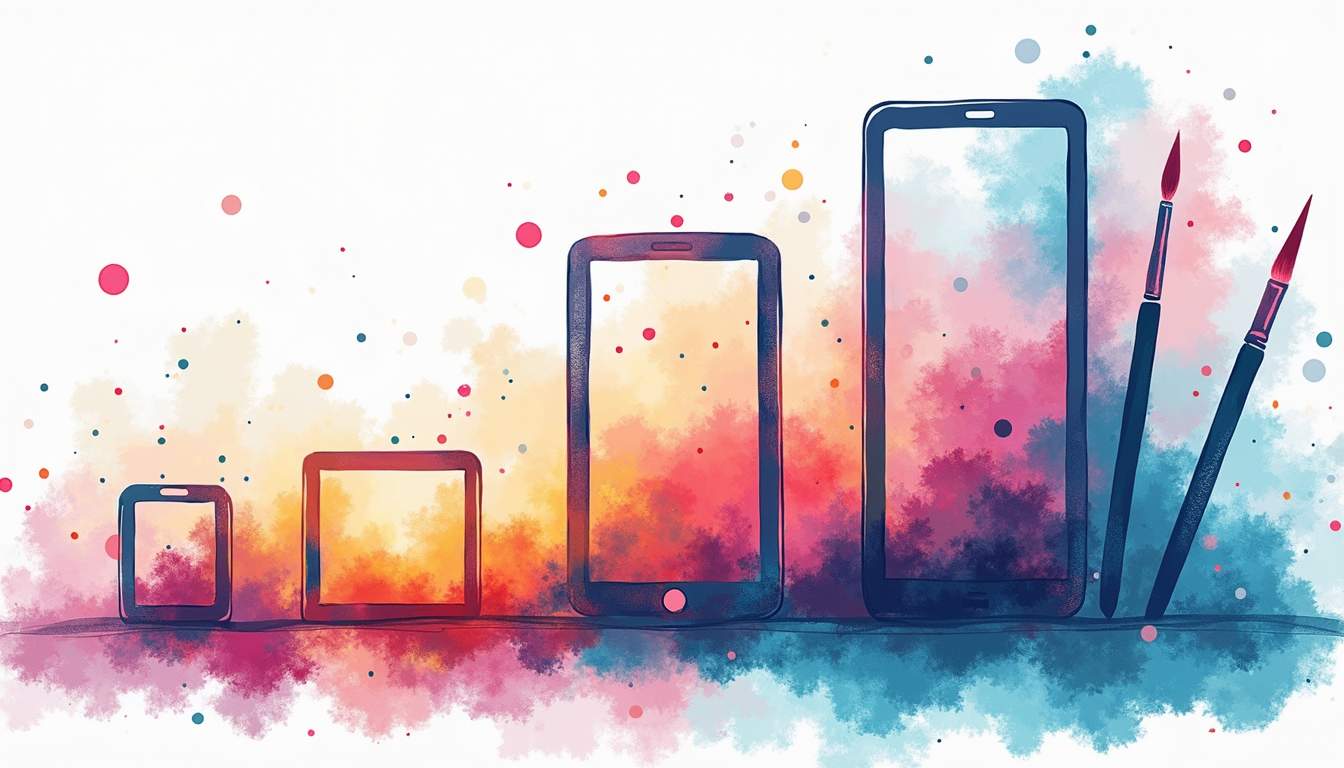
The Concept of Art Therapy in the Digital Age
Art therapy is based on the idea that creative expression can help people process emotions, cope with stress, and gain insight into their experiences. In the digital age, these therapeutic practices have been adapted for mobile platforms, providing users with tools to engage with art anytime, anywhere.
Digital art therapy acts as a bridge to mental wellness, allowing individuals to explore their feelings visually. Users can draw, paint, or create collages on their devices, often accompanied by prompts to inspire creativity and reflection. This adaptability furthers the reach of art therapy, making its benefits accessible to many.
Moreover, the interactive nature of these apps often includes features such as guided meditations, mood tracking, and journaling prompts, which can enhance the overall therapeutic experience. By integrating various modalities of self-expression, users can find the method that resonates most with them, whether it be through vibrant digital paintings or calming color therapy exercises. This multifaceted approach helps cater to diverse preferences and needs, making art therapy more inclusive and effective.
The Growing Popularity of Art Therapy Apps
The popularity of art therapy apps has significantly increased in recent years. As people become more aware of mental health issues and their impacts, the use of creative outlets has risen in tandem. Art therapy apps provide a unique way to engage with one’s emotions while fostering creativity.
Additionally, the integration of community features in some apps allows users to share their creations and experiences with others, fostering a sense of connection. This community aspect of sharing can further enhance the therapeutic process by providing support and understanding among peers.
Furthermore, many art therapy apps are designed with accessibility in mind, ensuring that users from various backgrounds and skill levels can participate. Tutorials and step-by-step guides help beginners feel comfortable exploring their artistic abilities, while advanced features cater to seasoned artists looking for a new outlet. This democratization of art therapy not only empowers individuals but also encourages a broader conversation about mental health and the importance of creative expression in everyday life.
The Impact of Art Therapy Apps on Mental Health
Art therapy apps are not just trendy innovations; they hold genuine potential to impact mental health positively. By merging creativity with psychology, these apps empower users to explore their emotions in meaningful ways.

The Therapeutic Benefits of Digital Art Creation
Engaging in digital art creation provides a plethora of therapeutic benefits. Users often find that expressing themselves through art allows them to process complex emotions. Whether it’s joy, sadness, or anxiety, creating art can serve as an outlet for these feelings.
Moreover, studies have shown that art can reduce stress and promote mindfulness. By focusing on the creative process, individuals can cultivate a present-moment awareness that helps alleviate anxiety and ruminative thoughts. This shift in focus can result in better emotional regulation and an enhanced sense of well-being.
In addition to these benefits, digital art platforms often include features that encourage users to share their creations within a community. This social aspect can foster a sense of belonging and support, which is crucial for mental health. Users may find comfort in receiving positive feedback and encouragement from peers, creating a nurturing environment that enhances their creative journey. The ability to connect with others who share similar experiences can significantly reduce feelings of isolation and promote a sense of camaraderie.
How Art Therapy Apps Contribute to Stress Management
In a world that often feels overwhelming, art therapy apps offer a safe haven for stress management. The act of creating something can distract from daily stressors while providing an avenue for relaxation and self-reflection.
Many users report that incorporating art therapy into their routines helps them unwind after a long day. Whether it’s doodling a quick sketch or working on a more detailed project, engaging with art allows users to reset their mental state. This practice can lead to improved coping strategies, resulting in better overall mental health.
Furthermore, many art therapy apps are designed with guided sessions that can help users navigate their emotions more effectively. These sessions may include prompts or themes that encourage deeper exploration of feelings, allowing users to confront and articulate their thoughts in a structured way. This guided approach can be particularly beneficial for those who may struggle with traditional forms of therapy, as it provides a non-threatening entry point into emotional exploration. By integrating these tools into their daily lives, users can develop a more profound understanding of their mental health and learn to manage stress in a more constructive manner.
The Future of Digital Wellness and Art Therapy Apps
The future of digital wellness is promising, especially as art therapy apps continue to evolve. Emerging technologies such as augmented reality (AR) and virtual reality (VR) hold exciting possibilities for enhancing the user experience. These technologies not only provide new avenues for creative expression but also foster a deeper connection between users and their therapeutic journeys, allowing for a more holistic approach to mental health.
Innovations in Art Therapy App Development
As developers seek to create more immersive experiences, innovations like AR can bring digital art therapy into the real world. For instance, users could interact with virtual canvases overlayed onto their physical environment, making the process of creating art more engaging and dynamic. Imagine a user painting a virtual mural on their living room wall, transforming their space into a canvas that reflects their emotions and thoughts. This level of interaction not only enhances creativity but also encourages users to engage with their surroundings in a more meaningful way.
These advancements could further increase accessibility and personalization, allowing each user to tailor their experience according to their preferences and therapeutic needs. Continuous updates and features will ensure these apps remain relevant in the fast-paced digital world. For example, incorporating AI-driven suggestions based on user behavior can help individuals discover new techniques or styles that resonate with their emotional state, making the art-making process not just a form of expression but also a tool for self-discovery and growth.
Potential Challenges and Opportunities for Art Therapy Apps
Despite the bright outlook, challenges remain in the realm of art therapy apps. Issues like user privacy, the need for professional guidance, and the risk of over-reliance on digital tools must be navigated carefully to ensure users derive genuine benefit from these applications. Developers must prioritize data security and ethical standards to build trust with users, ensuring that their personal information is safeguarded while they explore their creativity.
However, these challenges also represent opportunities for growth. By collaborating with mental health professionals, developers can create tools that complement traditional therapy while offering users a fun and accessible way to enhance their mental well-being. Additionally, integrating community features within these apps can foster a sense of belonging and support among users, allowing them to share their creations and experiences with others who understand their journey. This communal aspect can be particularly beneficial for those who may feel isolated in their struggles, providing a platform for connection and shared healing.
As the landscape of digital wellness continues to evolve, the integration of user feedback will be crucial in shaping the future of art therapy apps. By actively listening to the needs and experiences of users, developers can refine their offerings, ensuring that these tools remain effective and relevant. This iterative process not only enhances user satisfaction but also contributes to the broader understanding of how digital art therapy can be utilized as a powerful resource for mental health support.
Mindful Art. Anywhere, Anytime

Download Today
Creativity and calm, right at your fingertips
Free to Download


